

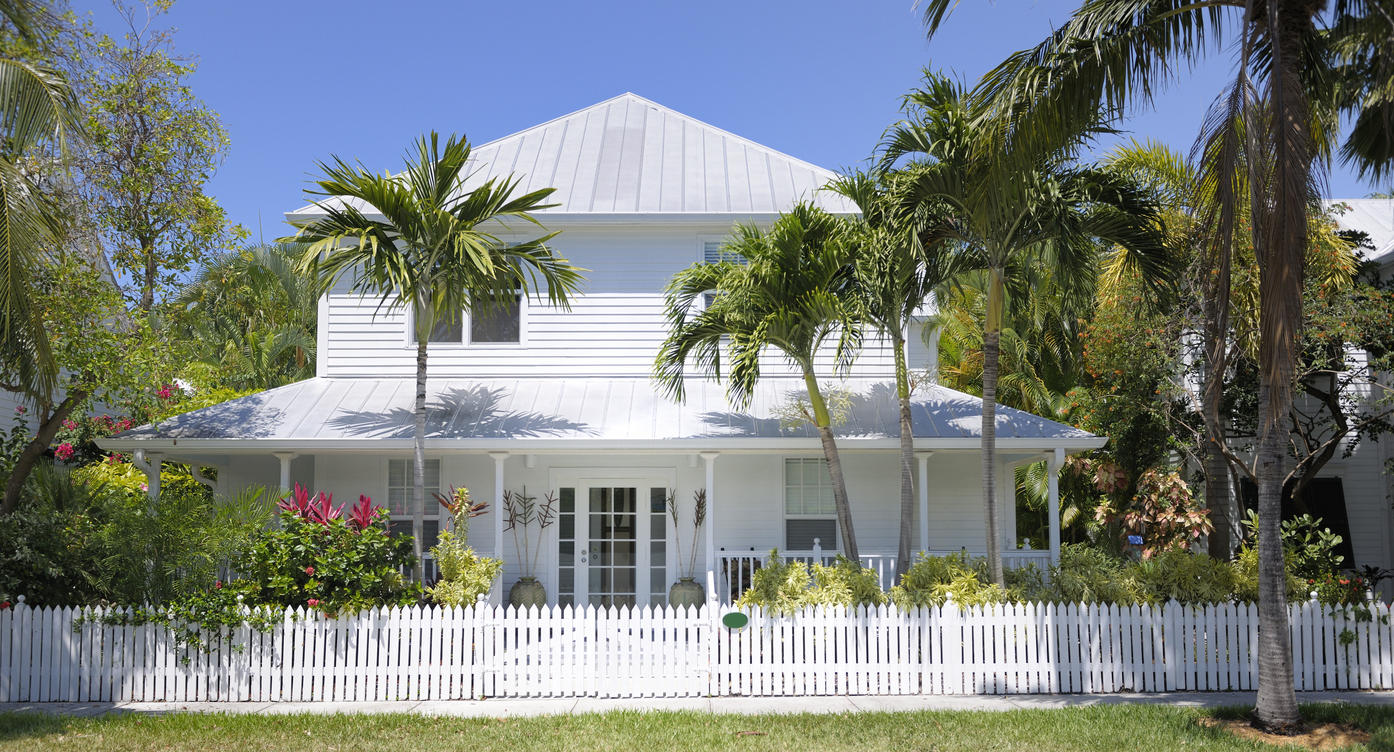
Living in Florida can be amazing. Miles and miles of coastline. No shortage of things to do for those who love the outdoors and the warm sun. Unfortunately, for those who live near the water, home-ownership can present unique challenges.
Salt air can be hard on your home, especially the roof. That salt air actively works against the materials that protect our homes. The damage, while predictable, is often preventable when you understand how salt causes its mayhem and how to avoid it.
What Salt Air Actually Does to a Roof
There’s nothing quite like the smell of salty air. But you’re not just smelling humidity. Salt air is full of sodium chloride particles, and those particles behave differently from ordinary airborne moisture. When the salt particles settle onto roof surfaces, they cling to the roofing material and begin drawing additional moisture from the surrounding atmosphere. The result is a persistently wet, chemically active environment sitting directly on top of your home.
This combination of salt and trapped moisture creates ideal conditions for corrosion, degradation, and material failure across multiple components:
- Metal flashings, fasteners, and trim pieces corrode and rust at an accelerated rate
- Factory-applied protective coatings break down and lose their ability to shield the substrate beneath
- Sealants around roof penetrations, vents, and edges become brittle and begin to fail
- Underlayment materials weaken over time as repeated moisture cycles cause them to tear
- Traditional asphalt shingles absorb the saline moisture, become brittle, and eventually crack
Each of these failure points creates an opening for water intrusion. By the time visible deterioration appears, the process has often been underway for years.
The Proximity to Saltwater Matters
Not all properties that reside near the coast experience the same exposure to salt air. A home closer to the water will experience more salt exposure than one set farther back. This means that if your home sits right off the beach, you’re dealing with an active, physical force. The mist from the ocean and the salt spray can quite literally coat the surface of your roof (not to mention everything around your home). Even just one day of strong winds can leave behind a super-thick layer of sodium chloride.
When you’re dealing with these conditions, standard fasteners are going to show rust within a few years. Flashing installed without corrosion-resistant material can fail way earlier than what the manufacturer might have stated. And, to make matters worse, the main roofing panels themselves, if not properly specified for coastal conditions, begin to degrade from the outside in.
Florida homeowners in coastal communities live with this reality every day. But here’s the question: What type of roofing material can beat the salt?
Why Material Choice is the Most Important Decision
Selecting the right roofing material for a coastal Florida home is not a minor detail. It is the single factor that has the greatest influence on how long a roof lasts before requiring repairs or full replacement.
The True Value of Investing in the Right Metal Roof
A roof is the most exposed component of any Florida home, and in a coastal environment, it faces more chemical and physical stress than nearly any other building material. Choosing a roofing system designed and rated for coastal conditions is not a luxury. It is a practical response to a documented problem.
The upfront cost of a properly specified metal roof is higher than that of standard asphalt shingles. However, the math changes considerably when you account for what shingles actually cost in a coastal setting. Asphalt shingles in salt-air environments frequently require replacement in 10 years or less. Each replacement cycle brings labor, disposal, material costs, and the disruption of a full roofing project. A quality metal roof, installed with appropriate corrosion-resistant materials, is, by contrast, a system designed to last for decades with minimal intervention.
Homeowners also benefit from the following:
- Insurance advantages
- Increased resale value
- Meaningful energy savings through reduced cooling demand
Florida’s coastal property market rewards durable, low-maintenance homes, and a well-documented metal roof is an asset that resonates with buyers and insurers alike.
Making the Right Choice for a Coastal Florida Home
The science of how salt air degrades roofing materials is well established. Sodium chloride attracts moisture, moisture enables corrosion, and corrosion progresses through every vulnerable component in a conventional roofing system. The solution is a roofing system built from materials that resist this process from the start.
For Florida homeowners near the coast, that means working with a supplier who understands not just roofing in general, but roofing in Florida specifically. At 1st Coast Metal Roofing Supply, Florida’s highest-rated metal roofing supplier, every product in our lineup is manufactured here in Florida, with full awareness of the conditions that Florida roofs must face. From aluminum panels selected for coastal performance to the full system of trim, fasteners, and accessories rated for salt environments, we build roofing solutions tailored to where you actually live.
If your home is near Florida’s coast, are a Contractor or Builder managing projects in Southeast Florida, make sure to select the best metal roofing materials chosen for that environment. Contact 1st Coast Metal Roofing Supply today for a free quote and expert guidance on the right metal roofing materials for your property.
